Structure and Lighting of your garden room
Constantin Tiseanu • 8 November 2021

Lighting of your garden room

Garden rooms are a cost-effective and efficient solution to add more space if you don't have extra space. Also, if expanding or relocating is not an option in your current situation. You may utilize a garden house to construct a workspace, shop, studio, games room, gym, adolescent den, swimming pool cover, or even to give additional living space for a few people.

Structure

Even the simplest of Garden Buildings weights in excess of approximately three Tons. They are robust buildings, and builders construct them in such a way that your Backyard Office or Garden Space will survive for a period of time in excess of 30 years. 


Simply constructed wooden summerhouses or complex tiny eco-homes, complete with walls, energy-efficient windows, drainage and electrics and energy production through an air source heat pump are essential parts of garden rooms.

Lighting

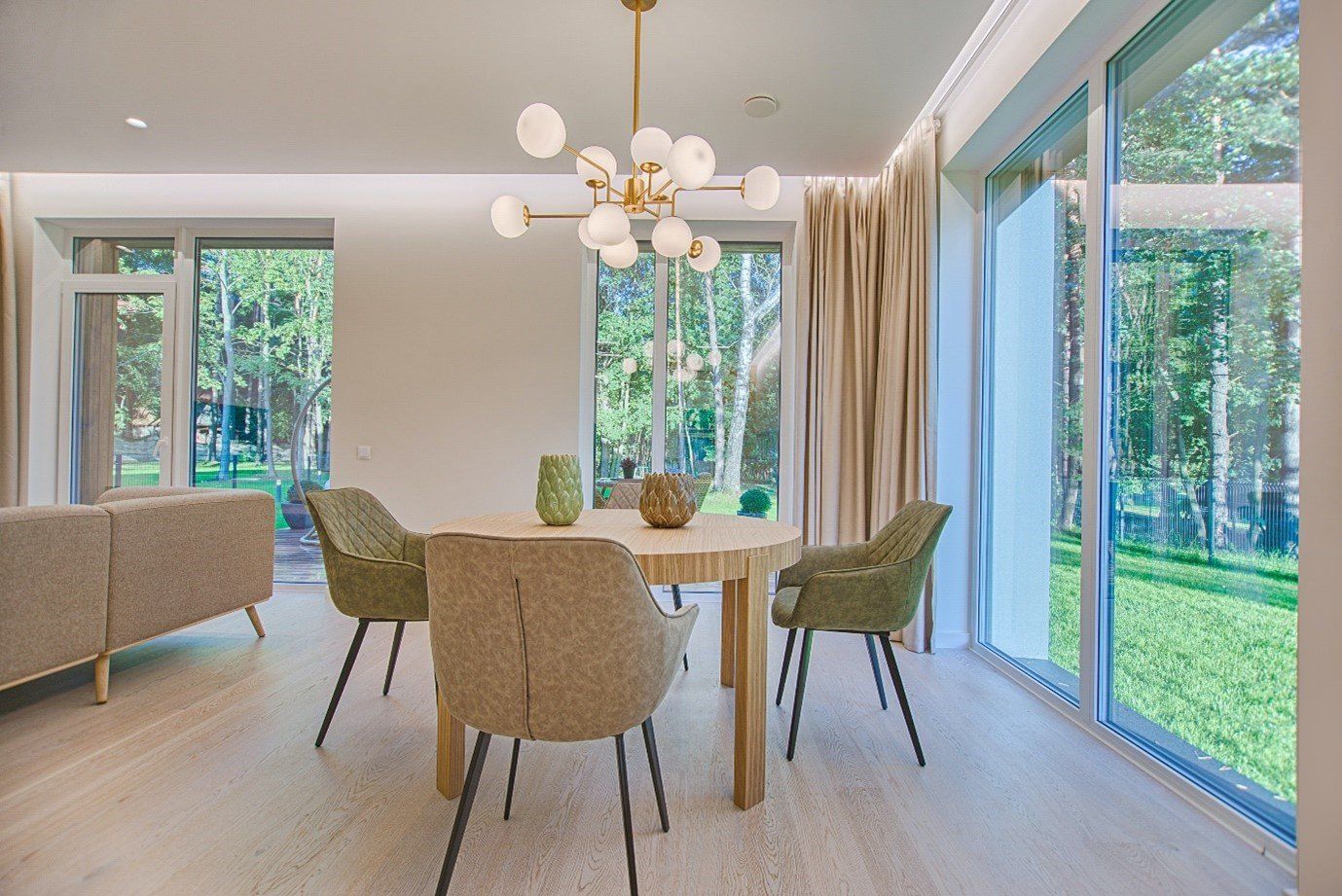
The most critical aspect to consider when designing your garden room is lighting. You want a garden that faces south so that the plants may get as much sunshine as possible. Because the sun rises towards the east, the south side of any building will get the most amount of sunshine during the day.

Having a lot of natural light coming into the space helps you to cultivate a wider variety of plants and flowers than you otherwise could. It is possible to utilize the space throughout the daylight without the need of artificial lighting if the room is well lit by natural light, even if you do not intend to use it for gardening. This will assist you in lowering your energy use and expenditures.

Make sure to properly place your doors and windows in order to allow in as much natural light as possible. Installing window coverings will allow you to regulate the amount of sunlight and heat that enters the garden room and keep it comfortable. If you're going to cultivate plants that don't fare well in direct sunlight, blinds and shades might be really useful.


by Constantin Tiseanu 19 April 2026
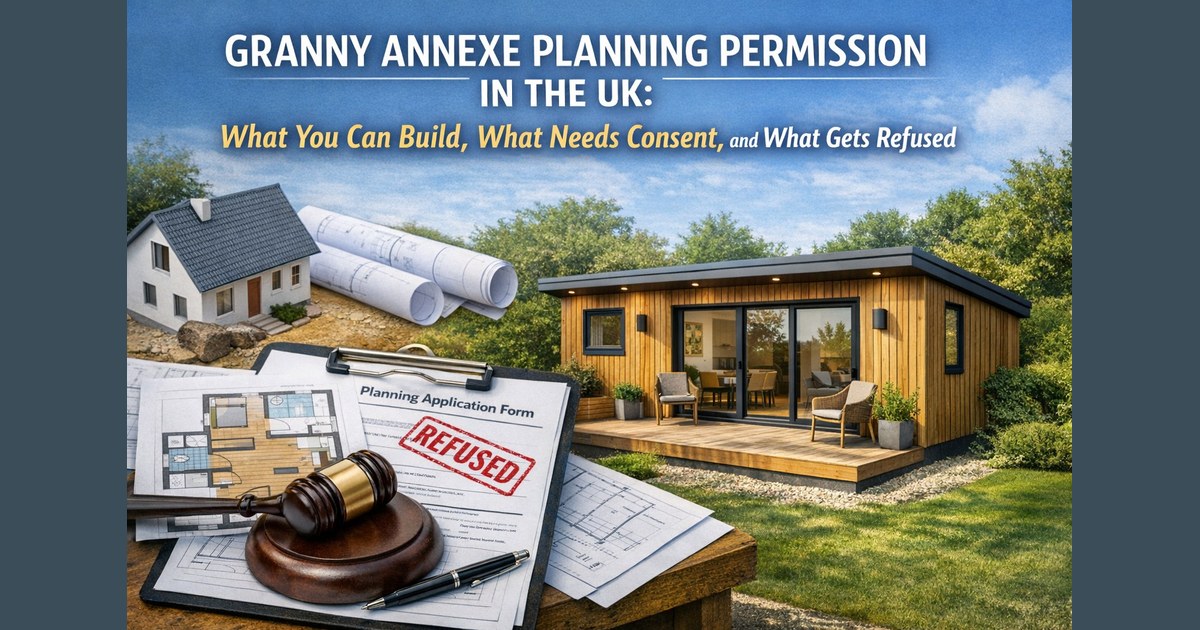
Learn when a granny annexe needs planning permission, when permitted development may apply, and what often leads to refusal.
Building a granny annexe in Flood Zone 2?
by Constantin Tiseanu 19 April 2026
Can you build a granny annexe in Flood Zone 2? Learn how flood risk, raised floor levels and screw pile foundations can affect planning and design.
by Constantin Tiseanu 1 March 2026
See why thermal comfort in SIP buildings is about more than energy bills, including surface warmth, condensation control and comfort.
by Constantin Tiseanu 1 March 2026
Learn how SIP panels deliver structural strength, rigidity and long-term stability, not just insulation, in annexes and garden rooms.
by Constantin Tiseanu 1 March 2026
Learn why airtightness in SIP construction improves comfort, cuts heat loss and boosts energy performance all year round.
by Constantin Tiseanu 1 March 2026
Compare EPS and foam-injected PUR/PIR SIP panels for insulation, strength, thermal performance and year-round building comfort.
by Constantin Tiseanu 1 March 2026
Learn why SIP panel thickness affects insulation, comfort, condensation control and year-round performance in garden rooms and annexes.
by Constantin Tiseanu 1 March 2026
Learn what SIPs really are beyond the marketing, including structure, insulation, composite action and long-term performance.
ventilation under granny annexes
by Constantin Tiseanu 28 October 2025
Learn why ventilation under screw-pile garden rooms and granny annexes matters for moisture control, compliance and long-term performance.
granny annexe vs. care home
by Constantin Tiseanu 26 October 2025
Compare granny annexes and care homes for cost, independence, comfort and family living to help choose the right option for your family.